CBG, CBN, and CBC: minor cannabinoids explained
Beyond THC and CBD, labels increasingly list CBG, CBN, and CBC. What each one is and why products feature them.
Updated July 7, 2026 4 min read
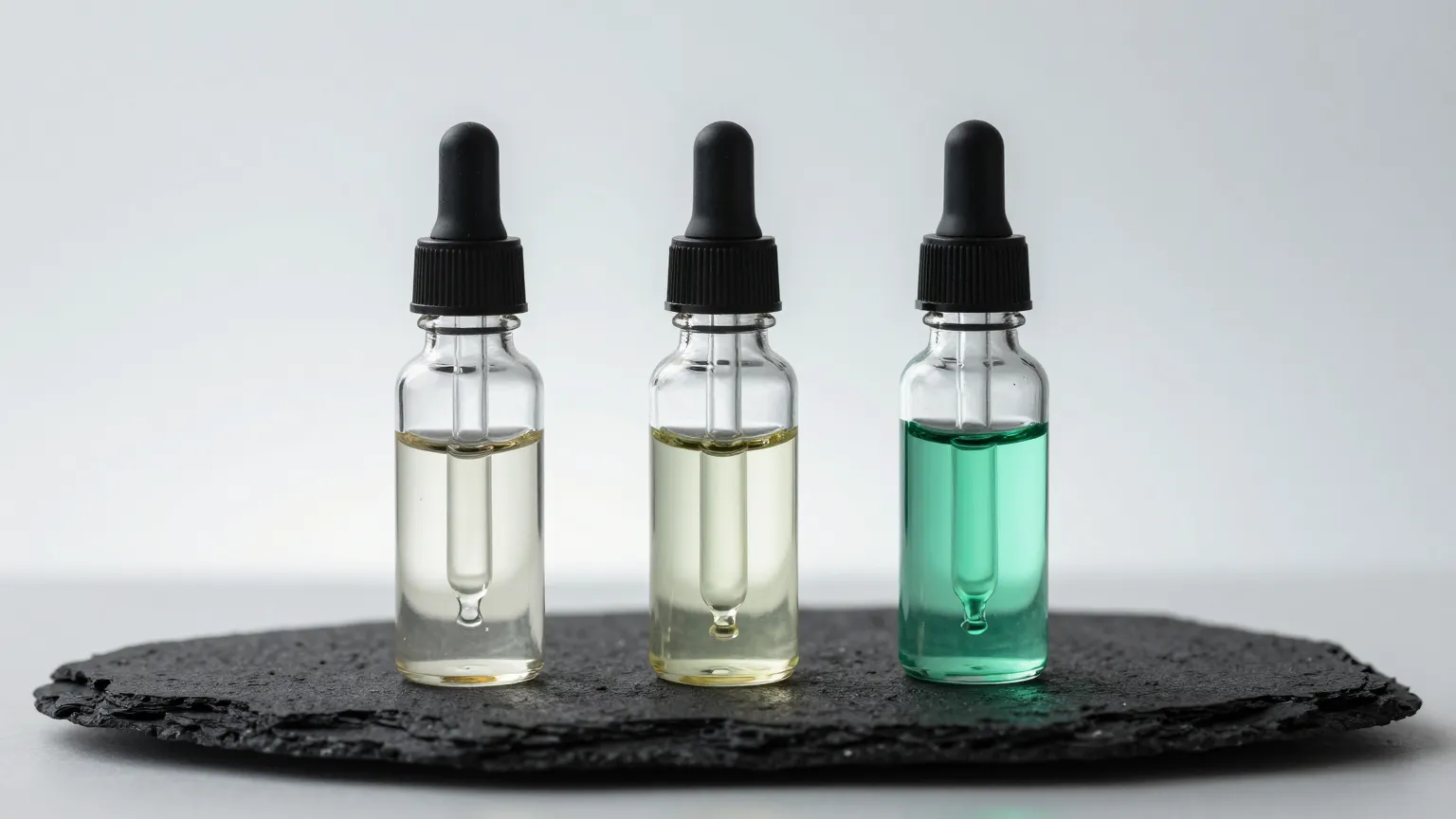
THC and CBD headline every label, but the plant makes over a hundred cannabinoids. Three now show up in named products: CBG, CBN, and CBC. None is intoxicating the way THC is; each is marketed around a different use case.
CBG: the "mother cannabinoid"
CBG (cannabigerol) is the precursor the plant converts into THC and CBD, so mature flower holds only traces. Dedicated high-CBG cultivars supply the market. It is non-intoxicating and typically positioned around focus and calm; early research is active but young.
CBN: the sleepy one
CBN (cannabinol) is what THC degrades into with age and oxidation. Old flower is naturally higher in it. Mildly psychoactive at most, it is the cannabinoid most often blended into sleep-branded gummies, usually paired with THC and sometimes melatonin. Evidence for CBN alone as a sleep aid is thin; the blends are what people actually buy.
CBC and how to shop the minors
CBC (cannabichromene) is non-intoxicating and studied mostly in preclinical settings. Treat all minor-cannabinoid claims as early-stage: look for products that state actual milligram amounts rather than fairy-dust mentions, and judge by your own results at consistent doses.
Frequently asked questions
Does CBN really make you sleepy?
Evidence for CBN alone is limited. Most sleep products pair CBN with THC, and that combination, plus dose and timing, likely does most of the work.
Will CBG or CBN get me high?
CBG is non-intoxicating; CBN is at most very mildly psychoactive. Neither delivers a THC-style high at product doses.