Do Dispensaries Have Deals? How Discounts Work
Daily specials, first time offers, veteran and senior discounts, bulk pricing and loyalty points all change what you actually pay at a dispensary. Here is how each one works, what proof you need, and how to tell a real discount from a sticker.
Updated August 19, 2026
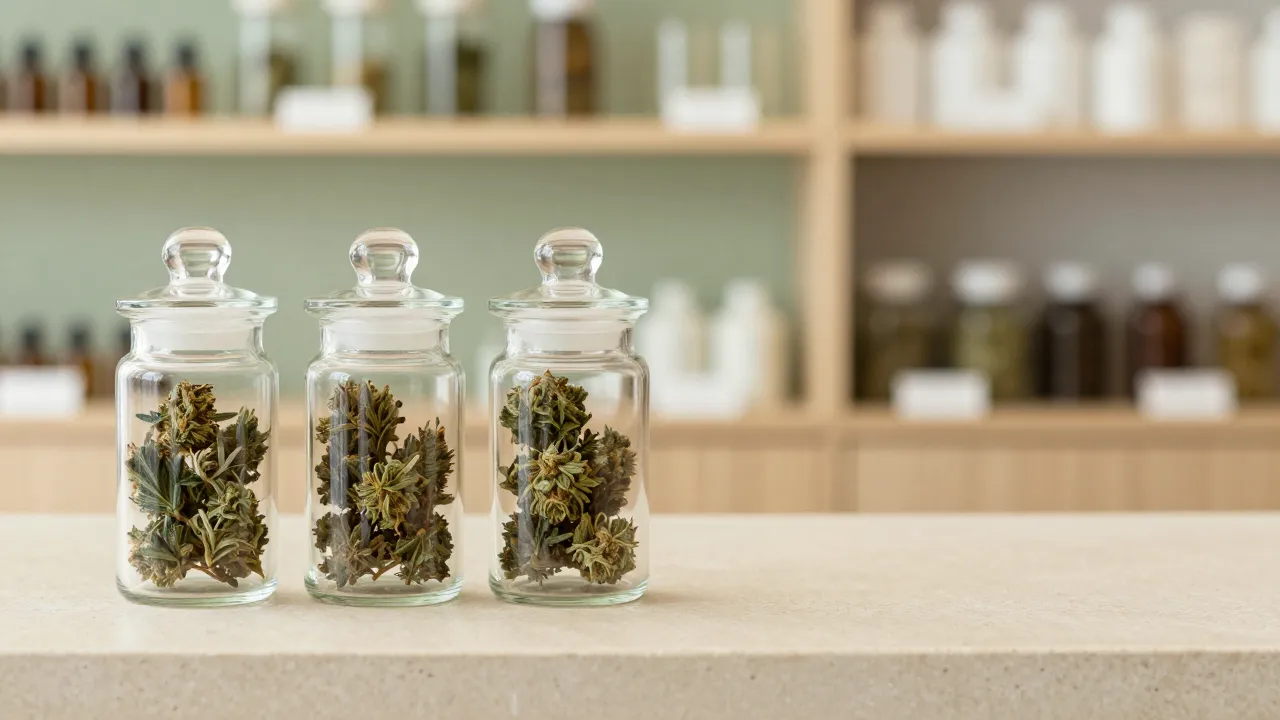
Two dispensaries a mile apart can list the same eighth of the same brand at prices that differ by twenty dollars, and the cheaper one is not always the better buy. Most of that gap comes down to promotions: daily specials, first time offers, tiered bulk pricing and loyalty points that quietly change what you actually hand over at the counter. Here is how dispensary deals typically work, who qualifies for what, and how to tell a real discount from a sticker that only looks like one.
The specials nearly every shop runs
Most licensed retailers rotate a small set of predictable promotions. Once you recognize the pattern, the weekly rhythm of a menu stops looking random.
Daily and weekly specials. Shatterday, Wax Wednesday, Flower Friday and their many cousins are a category discount tied to a day of the week. The shop picks a product type, takes a percentage off, and repeats it every week. If you buy one category consistently, learning which day it goes on sale is the single easiest way to lower what you spend.
Happy hour. A window in the slow part of the day, often mid morning or late afternoon, with a blanket percentage off. Shops use it to smooth out traffic so the whole staff is not standing around at 2pm and slammed at 6pm.
First time customer offers. Usually the largest single discount a shop will give you, sometimes a flat percentage off the whole first purchase, sometimes a penny item or a free pre roll with a minimum spend. It is a customer acquisition cost, which is why it is generous and why it only fires once per person.
Bulk and tiered pricing. Buy more, pay less per gram. An eighth might work out to fifty dollars a quarter but ninety a half, and ounces usually carry the steepest per gram break. This is where a deal can quietly cost you money: buying four times what you normally use in a month, at a good unit price, still leaves you with flower that will lose its aroma before you get to the bottom of the jar. Storage helps, but it does not stop time.
Vendor days and pop ups. A brand sends a rep to the store, drops the price on its own products for the afternoon, and often adds swag. Prices on those days can be the lowest a brand ever hits, because the brand is absorbing the discount rather than the retailer.
Discounts tied to who you are
The second family of discounts is not about what you buy, it is about who is standing at the counter. These usually stack poorly, meaning a shop will apply the single best one rather than adding them together, but that varies by store.
Common categories include veterans and active duty military, seniors, medical patients, students, birthdays, industry workers who hold a state badge, and compassionate care or hardship programs where they exist. Some states also require or encourage medical patient discounts through the rules governing licensed retailers, and some tax structures treat medical purchases differently from adult use ones. That is one of the many areas where the rules genuinely differ from state to state and change as legislatures revisit them, so treat any specific figure you read online, including this article, as a starting point rather than the final word.
Expect to show proof. A veteran discount usually needs a VA card or a DD214, a senior discount needs the birthdate on your ID, and a medical discount needs a valid state card or registration. Bring the document the first time so the shop can attach the status to your profile, and you will not have to dig for it again. And yes, every purchase requires a valid government issued ID showing you are 21 or over, or a qualifying medical card where a state program allows patients under 21.
Loyalty points, texts and referrals
Almost every shop runs some version of a points program. You earn a percentage back on each purchase, it accrues on your account, and you redeem it later. The value is real but slow, generally in the range of a few percent, so think of it as a rebate rather than a discount.
Two things worth knowing about loyalty programs. First, points are usually tied to the phone number on your account, not to a physical card, so you do not need to carry anything. Second, most programs come bundled with marketing texts or emails, and that is the actual trade. Many of the sharpest deals a shop runs, including short notice clearance on aging inventory, go out to that list first and never make it onto the public menu.
Referral credits exist too, though the amounts are typically modest and the rules about advertising cannabis promotions vary by state, so what a shop is allowed to offer or publicize is not consistent across the country.
The shelf price is not what you pay
This is the part that surprises new shoppers most. Depending on where you are, the number on the menu may be a pre tax price, and cannabis is often taxed more heavily than nearly anything else you buy. Excise tax, state sales tax, local sales tax and sometimes a city cannabis tax can all land on the same receipt.
Some shops quote out the door pricing, meaning tax is already folded into the listed number and forty dollars means forty dollars. Others list the pre tax price and the total climbs at the register. When you are comparing two shops, you are not really comparing menus until you know which convention each one uses. If a price looks unusually good, that is the first thing to check. Our explainer on why weed is so expensive at dispensaries breaks down where the rest of the money goes.
Payment is its own wrinkle, since many shops are cash or debit only for reasons that have nothing to do with the store itself. Worth confirming before you drive over, along with whether an ATM fee is about to eat the discount you came for.
How to tell a real deal from a sticker
A discount is only meaningful against a fair starting price. A few habits make the comparison honest.
Convert everything to price per gram. An eighth is 3.5 grams, a quarter is 7 and a half ounce is 14. Doing the division turns a wall of inconsistent promotions into one comparable number. If the weights are unfamiliar, cannabis weights explained covers the standard units.
Ask why it is discounted. Sometimes the answer is a vendor promotion or a slow Tuesday. Sometimes it is a batch that has been sitting for eight months. Neither is disqualifying, but the second one should change what you expect from the aroma and the texture when you open the jar. It is a fair question to ask a budtender directly, and a good shop will answer it.
Do not shop on THC percentage alone. Discounted high number flower is not automatically a better buy than full price flower with a richer terpene profile, and the reported experience of a given product depends on much more than one figure on the label.
Read the fine print on stacking. Most shops apply one discount per transaction. If it is your first visit and it is also Flower Friday, ask which one gives you more before the order is rung up, because reversing it afterward is a hassle for everyone.
Check the expiration. Menu promotions go stale. A deal you saw last week may already be over, and inventory listed online can sell out before you arrive.
Finding current deals
Deals live in three places: the shop's own menu, its text or email list, and directories that aggregate promotions across many stores at once. You can browse current promotions on the Weedtip deals page or look up a specific store's menu and hours through the dispensary directory. Weedtip is a directory, so you browse and compare here and complete the purchase at the licensed shop itself.
Whatever source you use, call ahead or check the store's own page before you make the trip if a specific product is the reason you are going. Menus sync on a delay, promotions end early when stock runs out, and the fastest way to be disappointed is to drive across town for a special that ended yesterday. A quick look at the shop's page for hours, payment methods and current offers takes a minute and saves the trip.