Do Dispensaries Scan Your ID? What Happens at the Door
Most licensed dispensaries scan a government issued ID before you reach the sales floor. Here is what the scanner checks, what shops do and do not keep, and which IDs cause problems.
Updated August 13, 2026 7 min read
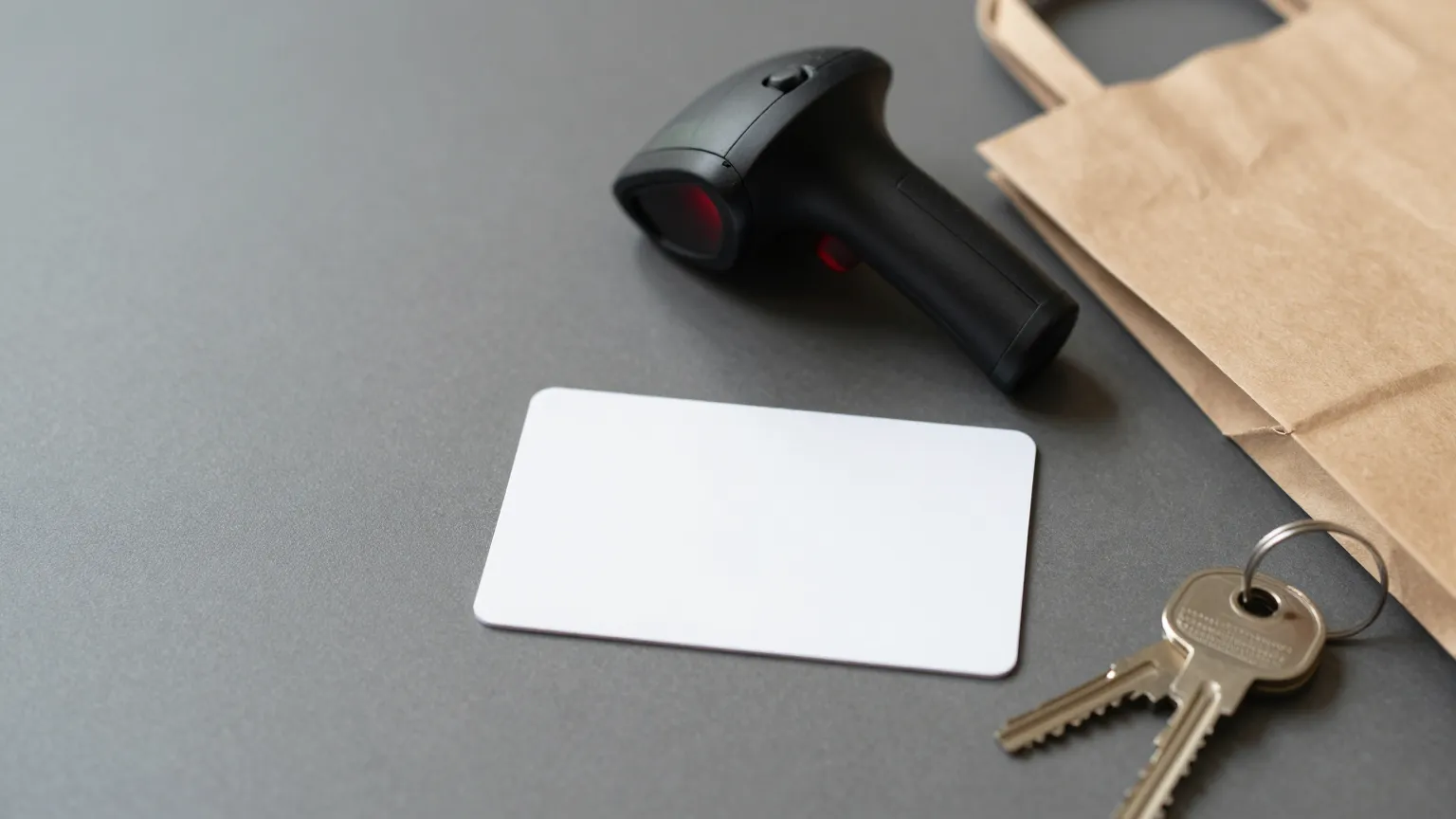
Almost every licensed dispensary in the United States checks a government issued ID before you get past the lobby, and many of them run that ID through a scanner rather than just glancing at it. If you have ever handed over your license and heard a beep, you have probably wondered what that machine just did, whether your name is now sitting in a database somewhere, and whether you are allowed to say no. Here is a plain answer, plus what varies from state to state and shop to shop.
Yes, most dispensaries scan IDs, and here is why
Cannabis retail is one of the most heavily surveilled forms of retail in the country. A licensed shop's entire business depends on proving to its state regulator that it never sold to anyone underage and never sold more than the legal limit in a single day. A human eyeball is not great evidence of either. A scanner is.
When a budtender or a security greeter swipes the barcode on the back of your license, the scanner reads the encoded data on the card and does two things almost instantly. It confirms the birth date puts you at 21 or older, or that you meet the age rules of a state medical program, and it confirms the card is not expired and not an obvious forgery. Some scanners also cross reference the card against a database of known fake ID templates.
The second reason is the purchase limit. States cap how much cannabis one person can buy in a day, and those caps vary widely and change over time. A dispensary that lets the same person buy the daily maximum three times before lunch has a serious compliance problem. Tying each transaction to a scanned ID is how shops keep that from happening. Our overview of how much weed you can buy at a dispensary goes deeper on how those limits work.
Scanning is not the same as storing
This is the part that trips people up. Scanning your ID and keeping your ID data are two different actions, and plenty of shops do the first without doing much of the second.
At the minimal end, the scanner reads the card, verifies age, displays a green check, and discards everything. Nothing is written to a customer file. You are an anonymous adult who was confirmed to be an adult.
In the middle, the shop records a minimal transaction record: a customer number, the date, and the amount purchased, so the daily limit can be enforced. Your name may or may not be attached.
At the more data hungry end, the shop creates a full customer profile the first time you visit. Name, date of birth, address from the card, and a running purchase history. This is usually tied to a loyalty program, a text message deals list, or a delivery account. Many customers are happy with this because it means faster checkout and discounts. Others are not, especially given that cannabis remains federally illegal even where state law allows it.
There is no single national rule here. A handful of states have written privacy protections into their cannabis regulations that restrict what a retailer may retain from a scanned ID or how long it may keep it, and several have restricted selling that data to third parties. Other states say very little. Because these rules genuinely differ by state and get amended fairly often, treat anything you read online, including this page, as a starting point rather than a legal guarantee, and check your own state's current regulations if the details matter to you.
Just ask what happens to it
The most reliable way to find out what a specific shop does is to ask the person holding your card. Budtenders and front desk staff answer this question constantly and are usually happy to explain. Useful questions:
Do you store my ID information, or just verify my age? Am I being enrolled in a loyalty or marketing program right now, and is that optional? How do I opt out of texts and emails? Do you share customer data with any third party?
If a shop is cagey about all of that, it is reasonable to take your business elsewhere. There are usually several licensed options nearby, and you can browse dispensaries by city and state to compare before you go. Weedtip is a directory, so you research here and then buy at the shop itself.
Can you refuse to have your ID scanned?
You can always refuse, but the shop can also refuse to serve you, and in most cases it will. Age verification is a license condition, not a customer service preference. Staff have no discretion to wave someone through, because the consequence for getting it wrong lands on the business, not on you.
That said, refusing the scan specifically is sometimes negotiable even when refusing the check is not. Some shops will accept a visual inspection and a manual entry of your date of birth if you explain that you would rather not have the card read electronically. Whether that is allowed depends on the state's rules and on the shop's own policy, so it is worth asking politely rather than assuming either way. Expect a firm no in states where electronic verification is mandated.
If privacy is your main concern, the more practical levers are usually these: decline the loyalty program, decline the marketing texts, ask for a paper receipt instead of an emailed one, and pay in cash. Payment method is the piece people forget. Card networks generate their own records, which is one of several reasons many shops are cash first anyway.
What ID actually works
The standard accepted documents are an unexpired, government issued photo ID: a state driver's license or state ID card, a US passport or passport card, a permanent resident card, or a military ID. A tribal ID is accepted in many places. If you hold a state medical cannabis card, bring it along with your photo ID, since medical customers often get different tax treatment and different purchase limits. The differences are covered in our guide to medical versus recreational cannabis.
The things that reliably cause problems at the door:
An expired license, even by a day. Many shops cannot legally accept it and the scanner will flag it regardless of how obviously the photo is you. A photo of your ID on your phone, or a digital wallet ID, which a lot of shops still will not take because they cannot scan it and because state rules often specify a physical card. A vertical license, which some states issue to people under 21, so if you have turned 21 but not replaced the card yet, expect extra scrutiny or a refusal. A temporary paper license without a photo, which usually needs to be paired with the expired card it replaced, and even then is hit or miss.
Out of state IDs are generally fine in adult use states. Visitors regularly shop legally in states where they do not live, though purchase limits for visitors are sometimes lower and medical reciprocity is a separate question entirely. If you are traveling, our article on whether tourists can buy weed covers the wrinkles. Never carry cannabis across a state line, including between two states where it is legal, because that crossing is a federal matter and the state rules you bought under stop applying the moment you leave.
What the door actually feels like
For a first visit, the sequence is short and unremarkable. You walk into a small lobby or vestibule. Someone asks for your ID before you can see any product. They scan it or look at it closely, hand it back, and either buzz you into the retail floor or check you into a queue. The whole thing takes under a minute.
You may be asked your ID a second time at the register, and possibly a third time when the order is handed over. That is not suspicion, it is the same compliance chain being verified at each step, and it is standard at plenty of shops. Bring the physical card, keep it out until you are done, and the visit moves quickly. If you want a fuller walkthrough of the rest of the trip, see your first dispensary visit.
One last thing worth saying plainly: every part of this applies to adults 21 and over, or to registered patients under a state medical program where the age rules differ. The ID check exists precisely because that line is not negotiable, and the scanner is simply the cheapest way for a shop to prove it held the line.