Can You Return Weed to a Dispensary?
Most cannabis is final sale, but a failed vape cart or the wrong item in your bag is often a different story. Here is why returns work the way they do, what shops will usually exchange, and how to give yourself the best shot at a yes.
Updated August 21, 2026
The short answer
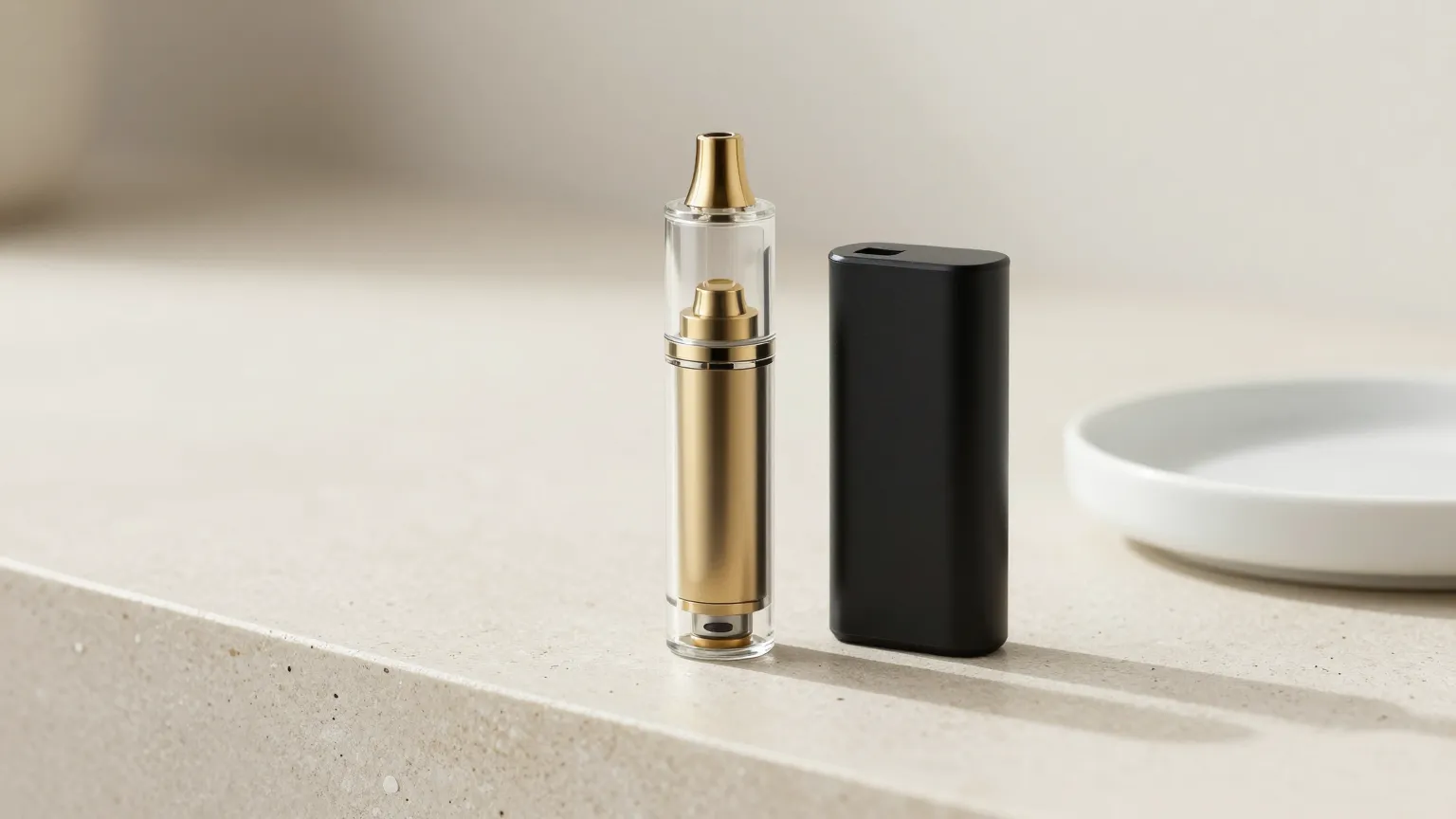
Usually not, and not the way you would return a pair of shoes. Most licensed dispensaries will not take back cannabis you have opened, consumed, or simply changed your mind about. What a lot of them will do is swap out a vape cartridge or battery that failed out of the box, and some will make a one time goodwill exchange for a regular customer.
The important thing to understand is that this is rarely about customer service. Return policies at cannabis shops are shaped by inventory regulations, and those regulations vary by state and change over time. Two stores on the same block can land on different policies for the same product, and both can be following the rules.
Why cannabis returns work differently from normal retail
Every gram in a licensed dispensary is tracked. Most legal states run some form of seed to sale monitoring, where a product is tagged at the cultivator, follows a chain of custody through manufacturing and distribution, and is checked out of the system when it rings up at the register. That final scan matters. Once a package leaves the licensed premises, the store loses the ability to prove where it has been, how it was stored, or whether it was tampered with.
That creates a problem for the shop. It generally cannot put returned product back on the shelf, because it can no longer vouch for the chain of custody that the state requires. In many jurisdictions, product that comes back has to be logged and destroyed as waste rather than resold. Some states write returns into regulation explicitly, others leave the details to the licensee, and the rules get revised as programs mature. Any specific rule you read online, including this article, is worth confirming with the shop you actually buy from.
So when a budtender tells you all sales are final, that is often the legally safest posture available to them rather than a shrug. A store that resells a returned package is risking a license that took years and a lot of money to get.
Worth saying plainly: Weedtip is a directory. People browse listings here and buy at the shop itself. Any return, exchange, or refund is between you and that dispensary.
What dispensaries usually will take back
Defective hardware is the big exception, and it is the most common reason anyone walks back through the door.
Vape cartridges are manufactured goods with a real failure rate. Carts leak, clog, refuse to draw, or arrive with a cracked mouthpiece. Batteries fail to charge or die early. Most brands run a warranty or replacement program, and the dispensary often administers it on the brand's behalf. If you want a fuller picture of how the hardware works and where it tends to fail, our guide to vape carts covers the parts and the common problems.
Beyond hardware, these situations usually get resolved in your favor:
- The wrong item ended up in your bag, and the receipt shows it.
- The package was mislabeled, or the label and the contents do not match.
- A glass jar arrived cracked or the seal was already broken.
- The item is sealed, unopened, and you came back the same day.
Shops differ on the last one. Some will do it, some will not touch an exit bag once it has left the building.
What almost never comes back
Opened flower. Opened edibles. Anything partly consumed. A pre-roll you smoked half of. These are close to universal no's, and the reasoning is the same chain of custody logic: nobody can verify what happened to that product after it left.
The other category worth naming is disappointment. "This did not hit like the last batch" and "I did not like how it felt" are real experiences, but they are not usually returnable conditions. Effects vary between people, between batches of the same strain name, and for the same person on different days depending on tolerance, timing, and what else is going on. Product labels describe potency and contents, not how any individual will respond. Learning to read a cannabis label is the better defense here, because it lets you compare batches on the numbers instead of the strain name.
Clearance and last call product is also commonly sold as final, and accessories are usually non returnable once used.
How to improve your odds
If something genuinely failed, a few things make an exchange much more likely.
Keep the receipt and the packaging. Both. The receipt ties the purchase to a transaction the store can look up, and the packaging carries the batch number the brand's warranty team will ask for.
Go back quickly. Where exchange windows exist they tend to be short, often somewhere in the range of a few days to a couple of weeks. Waiting a month rarely helps.
Bring your ID. The purchase is tied to the ID that was scanned at the door, and you will be checked in again on the way back. If you are not sure what to have on you, what to bring to a dispensary walks through it.
Describe the failure specifically. "The cart will not draw and there is oil pooling at the base of the mouthpiece" gives a budtender something to act on. "It is broken" does not.
Ask about the brand warranty, not just the store policy. If the shop cannot help, the manufacturer often can, and the store can usually point you at the right contact.
Go in person, during a slow hour. Mid afternoon on a weekday beats a Friday evening rush for a conversation that needs a manager.
If your order came by delivery, the process runs through the delivery service instead. Check the order at the door if the driver allows it, and contact the service rather than driving to a storefront.
Better still, head it off at the counter. Most return problems are avoidable at the register, in about thirty seconds.
- Confirm the item in the bag is the item you asked for, and that the strain, size, and format match.
- Look at the label for the batch number, the packaged or tested date, and the potency figures.
- Look at a cart through the packaging: the oil should look consistent, the seal intact, no leakage in the blister pack.
- Check that edible packaging is sealed and undamaged.
- Ask what the store's policy is on defective hardware before you need it. It takes one sentence and tells you exactly where you stand.
Asking is normal, and budtenders field these questions constantly. Nobody thinks less of you for it.
If the answer is still no
A refusal is not automatically a bad store. You have a few reasonable moves.
Contact the brand directly. Many run consumer support and will replace a failed cart shipped or picked up through a partner shop. Have photos and the batch number ready.
Re-read the receipt. Policies are often printed on it or posted at the register, and sometimes the window is longer than the person at the counter remembered.
Leave an accurate review. Not as revenge, but because how a shop handles a failed cart is genuinely useful information for the next shopper.
If the issue is a safety one, such as suspected contamination or a label that does not match a lab result, your state's cannabis regulator typically takes consumer complaints. That is a different lane from a refund, and it is the right one for that kind of problem.
The bottom line
Assume cannabis is final sale unless the product itself failed. Defective hardware is the exception most shops will honor, and packaging plus a receipt plus a quick return trip is what makes it easy for them to say yes. Everything else is best handled before you pay, by checking the label and asking the budtender the boring questions. If you are shopping somewhere new and want to compare policies first, start with the dispensary listings and call ahead. Rules and store practices differ by state and by shop, so the shop's own answer always outranks a general guide.