What Is a Vape Cart? Cartridges Explained
A vape cart is a pre-filled cannabis oil cartridge. What distillate, live resin and rosin actually mean, how to read the label, and how to spot untested carts.
Updated August 13, 2026 6 min read
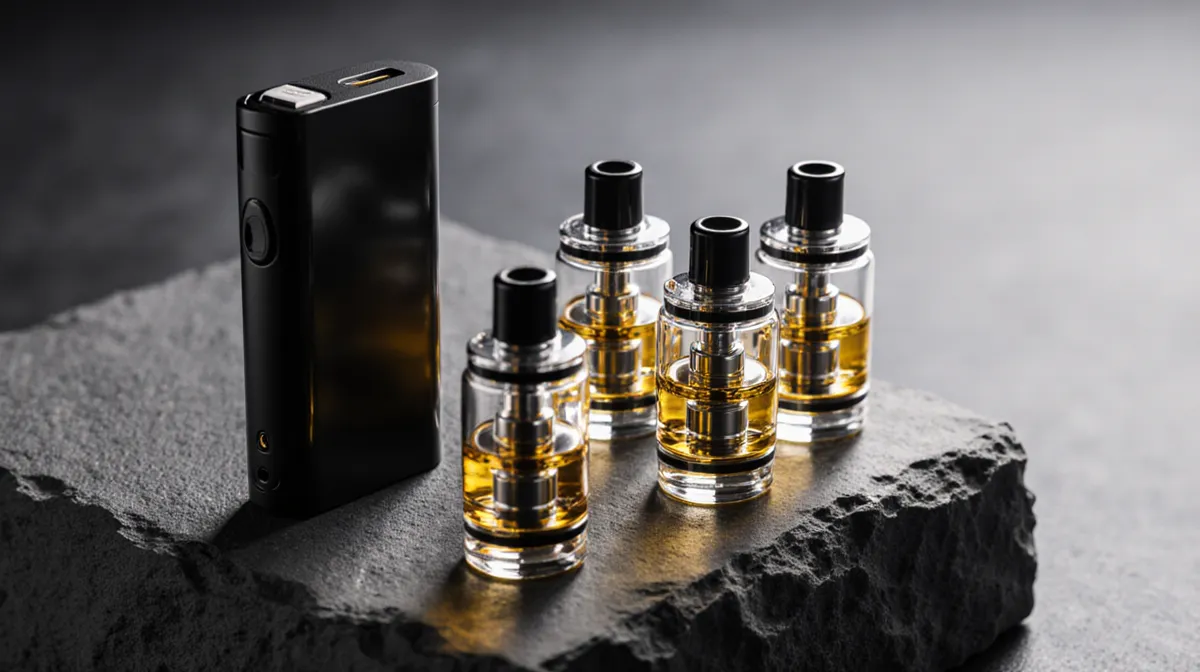
A vape cart is a small pre-filled cartridge of cannabis oil that screws onto a battery. That is the whole product. What separates a good one from a bad one is what is inside the oil and how honestly the label describes it.
What a cart actually is
"Cart" is shorthand for cartridge. Every one has the same four parts: a tank holding the oil, a heating element (usually a ceramic coil), a mouthpiece, and a threaded base that connects to a battery. Press the button or inhale, the coil warms the oil past its vaporization point, and you inhale vapor rather than smoke.
The overwhelming majority of carts sold in licensed stores use 510 threading, a universal standard that means almost any cart fits almost any battery. A minority of brands use proprietary pod systems that only work with their own hardware. Worth knowing before you buy, because a proprietary pod locks you into one brand.
Carts differ from disposables in exactly one way that matters: a disposable is a cart and battery fused into a single throwaway unit. Cheaper up front, more expensive over time, and more waste.
For how vaporizing compares to combustion generally, vaping vs smoking cannabis covers the differences.
The oil inside is the whole ballgame
Two carts can look identical and contain completely different products. The oil type is the first thing to check on any label.
- Distillate. THC stripped to near-purity, which removes essentially all of the plant's original aroma compounds. Flavor is then added back in. Cheapest to produce and the most common on shelves.
- Live resin. Extracted from fresh-frozen plant material to preserve the original terpene profile. Tastes markedly more like the plant it came from. More expensive. What is live resin goes deeper.
- Rosin. Solventless, made with heat and pressure only. The premium tier in most markets, and priced accordingly.
- Full-spectrum and sauce. Preserve a wider range of the plant's compounds rather than isolating THC.
Botanical vs cannabis-derived terpenes
This is the distinction brands are least eager to explain. A distillate cart needs flavor added back, and that flavor comes from one of two places: cannabis-derived terpenes reintroduced from the plant, or botanical terpenes sourced from other plants entirely. Both are legal and common. Only one tastes like cannabis. If a label says "strain-flavored" rather than naming a cannabis-derived source, assume botanical.
If terpene names on a label mean nothing to you yet, our terpene guides explain what each one smells like. Limonene is a good place to start.
Reading a cart label without getting fooled
The number on the front is the least useful thing on the package. A high THC percentage in a distillate cart is trivial to achieve and tells you nothing about how it will taste or how it will feel.
What to read instead:
1. A batch-specific COA. Certificate of Analysis, tied to that batch number, from an accredited lab. Most legal-market packaging carries a QR code linking to it. If there is no COA, put it down.
2. The full cannabinoid and terpene panel, not just total THC. The terpene percentage is a far better predictor of flavor and character.
3. The pesticide, solvent and heavy-metal screens. These are the reason licensed testing exists.
4. Hardware disclosure. Better brands name their cartridge hardware. Cheap hardware is where heavy-metal contamination risk lives.
5. A packaging or harvest date. Old oil darkens and tastes flat.
How to read a cannabis label walks through the full panel in detail.
Products in licensed stores are labeled in milligrams and percentages, and the label plus a budtender are the right source for questions about a specific product. Individual responses to any cannabis product vary, and nothing on a package predicts how a given person will react.
The unlicensed cart problem
Every serious warning about cannabis vape safety traces back to the unregulated market. Untested carts have historically been where dangerous cutting agents and contaminated hardware turn up, because nobody is checking. Licensed products are tested to state standards: imperfect, but the entire point.
Signs you are looking at an unlicensed cart:
- No batch number, no lab QR code, or a QR code that leads to a generic page rather than a batch-specific report
- Packaging that copies a candy brand, a cereal brand, or a cartoon character: legal markets prohibit youth-appealing packaging
- Sold anywhere other than a state-licensed retailer
- A price far below every licensed store in the area
Buy from licensed dispensaries. It is the only reliable filter.
Practical ownership
A few things that make carts behave:
- Store upright, cool, and dark. Heat thins oil and it will leak past the seal. A hot car is the fastest way to ruin one.
- Clogs are normal. Oil cools and thickens in the airway. Warm the cart in your hands and take a gentle pull with the battery off before trying anything more aggressive.
- Lower voltage first. Most batteries have variable settings. Higher voltage burns terpenes and produces a harsh, scorched taste; it does not improve anything.
- Charge it properly. Most cart failures people blame on the oil are actually a dying battery.
FAQ
How does a vape cartridge work?
A battery sends current to a heating coil inside the cartridge, which warms the cannabis oil until it vaporizes. You inhale that vapor. Nothing is burned, which is the core difference from smoking flower.
Do vape cartridges expire?
Cannabis oil degrades over time rather than spoiling on a fixed date. Expect gradual potency loss and flavor flattening over roughly a year, faster if stored warm or in light. Many states require a packaging or expiration date on the label. Check it.
How long does a vape cartridge last?
It depends entirely on cart size and how often you use it. A standard cartridge holds either half a gram or a full gram of oil, and consumption varies so widely between people that any estimate in days is meaningless.
How much does a vape cartridge cost?
Prices vary sharply by state, tax structure and oil type. Distillate sits at the bottom of the range, live resin in the middle, and solventless rosin at the top, often two to three times distillate for the same volume. Local deals are usually where the real price differences show up.
What is the difference between a cart and a vape?
"Vape" is the general category, covering any device that vaporizes. A cart is one specific format: a pre-filled oil cartridge that attaches to a separate battery. Dry herb vaporizers and disposables are also vapes, but they are not carts.
Compare carts near you
Cart quality varies more between brands than almost any other cannabis format, and the same brand can price very differently across state lines. Browse vape products and brands to see what is stocked in your market, or check brands to research a producer before you buy. For adults 21 and over, or registered medical patients where a state program applies.