Cannabis and sleep: what users report, and what science says so far
Why so many people reach for cannabis at bedtime, which products and cannabinoids are marketed for sleep, and the honest state of the research.
Updated July 19, 2026 5 min read
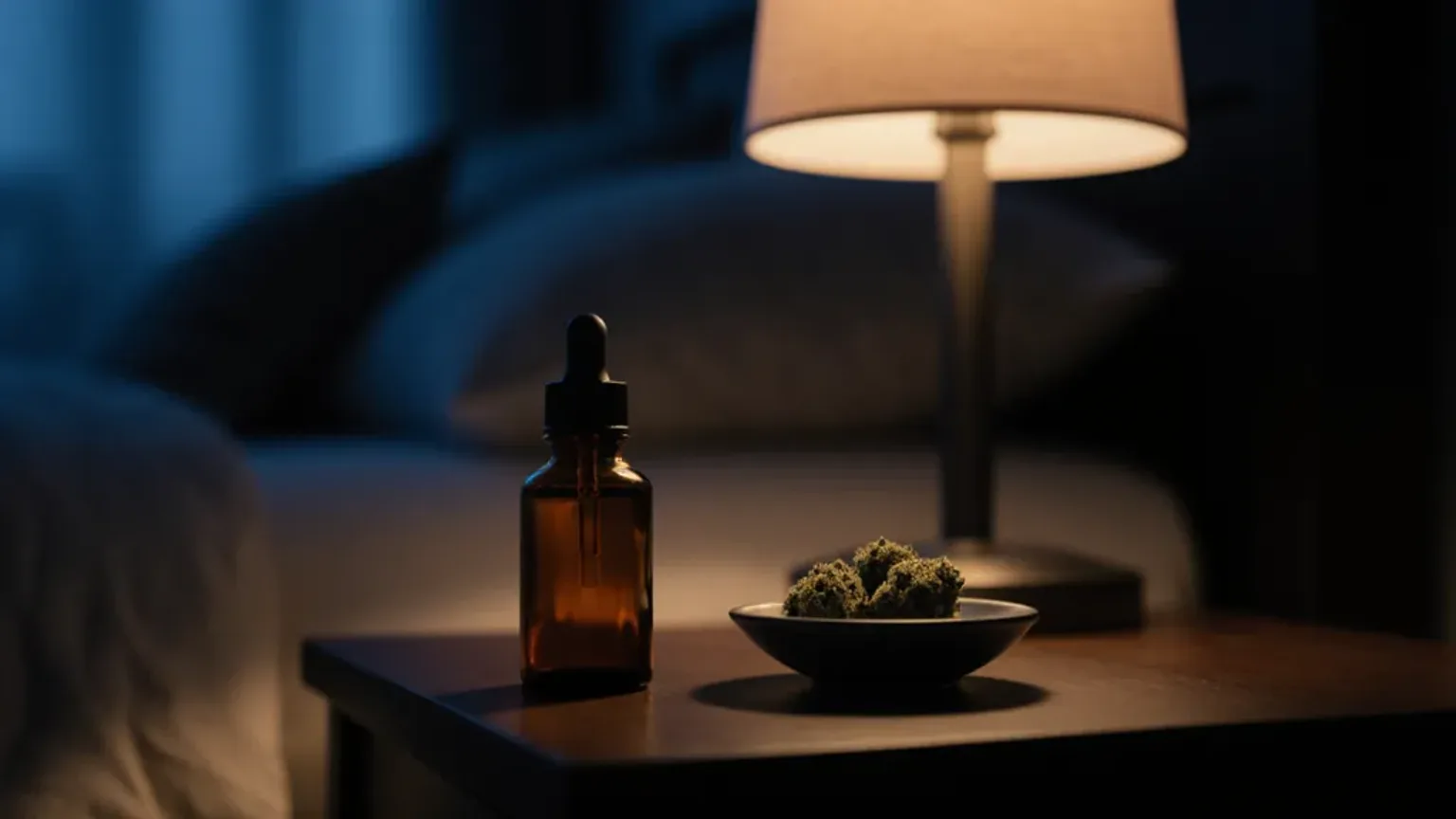
Ask dispensary shoppers why they buy, and “sleep” is one of the most common answers. The shelf reflects it: nighttime gummies, CBN blends, and indica labels aimed squarely at 10 p.m. Here is what people report, what products dominate the category, and where the science actually stands, which is more nuanced than the marketing.
What users report
Many people say a small THC dose shortens the time it takes to fall asleep and makes it easier to switch off a racing mind. Traditionally indica-labeled strains and products with the terpene myrcene carry the sleepy reputation, though individual response varies enough that personal experimentation beats any label.
The sleep shelf: THC, CBN, and CBD
Nighttime edibles typically pair a modest THC dose (2.5-10 mg) with CBN (a mildly psychoactive cannabinoid marketed heavily for sleep despite limited human research) and often CBD to smooth the experience. Fast-acting formats matter at bedtime: tinctures and nano-emulsified gummies come on in well under an hour, where a standard edible might take 90 minutes.
Timing rule of thumb from experienced users: take a sleep edible about an hour before lights out, and keep the dose small, since a heavy dose risks grogginess that defeats the purpose.
What the research actually says
The honest summary: short-term, low-dose THC appears to help some people fall asleep faster, but research also shows regular heavy use can alter sleep architecture (particularly REM sleep), and stopping after nightly use commonly causes rebound insomnia and vivid dreams for a week or two. Long-term studies are limited, and cannabis is not an approved insomnia treatment.
Persistent insomnia deserves a conversation with a clinician. It is frequently a symptom of something treatable (sleep apnea, anxiety, medication timing) that cannabis would only mask.
If you experiment, do it methodically
Change one variable at a time, start at 2.5 mg THC, note results for a week, and keep occasional cannabis-free nights to check you are not just treating rebound. The goal is the smallest dose that helps, not the strongest product on the shelf.
Frequently asked questions
Is CBN really “the sleepy cannabinoid”?
The marketing is ahead of the evidence. CBN is mildly psychoactive and some small studies and lots of user reports point to sedative effects (often in combination with THC), but rigorous human trials are scarce. Plenty of buyers feel it works; science has not confirmed why or how well.
Will I have trouble sleeping if I stop using cannabis nightly?
Very commonly, yes, but only for a short while. Rebound insomnia and unusually vivid dreams (REM rebound) typically last a few days to two weeks after stopping nightly use, then normalize. It is the most frequently reported quitting symptom.