What Is Kief? The Powder in Your Grinder, Explained
Kief is the loose resin glands knocked off cannabis flower, the pale powder that collects under a grinder screen. Here is what it is made of, how it compares with hash and modern concentrates, and what to check before buying it.
Updated August 24, 2026
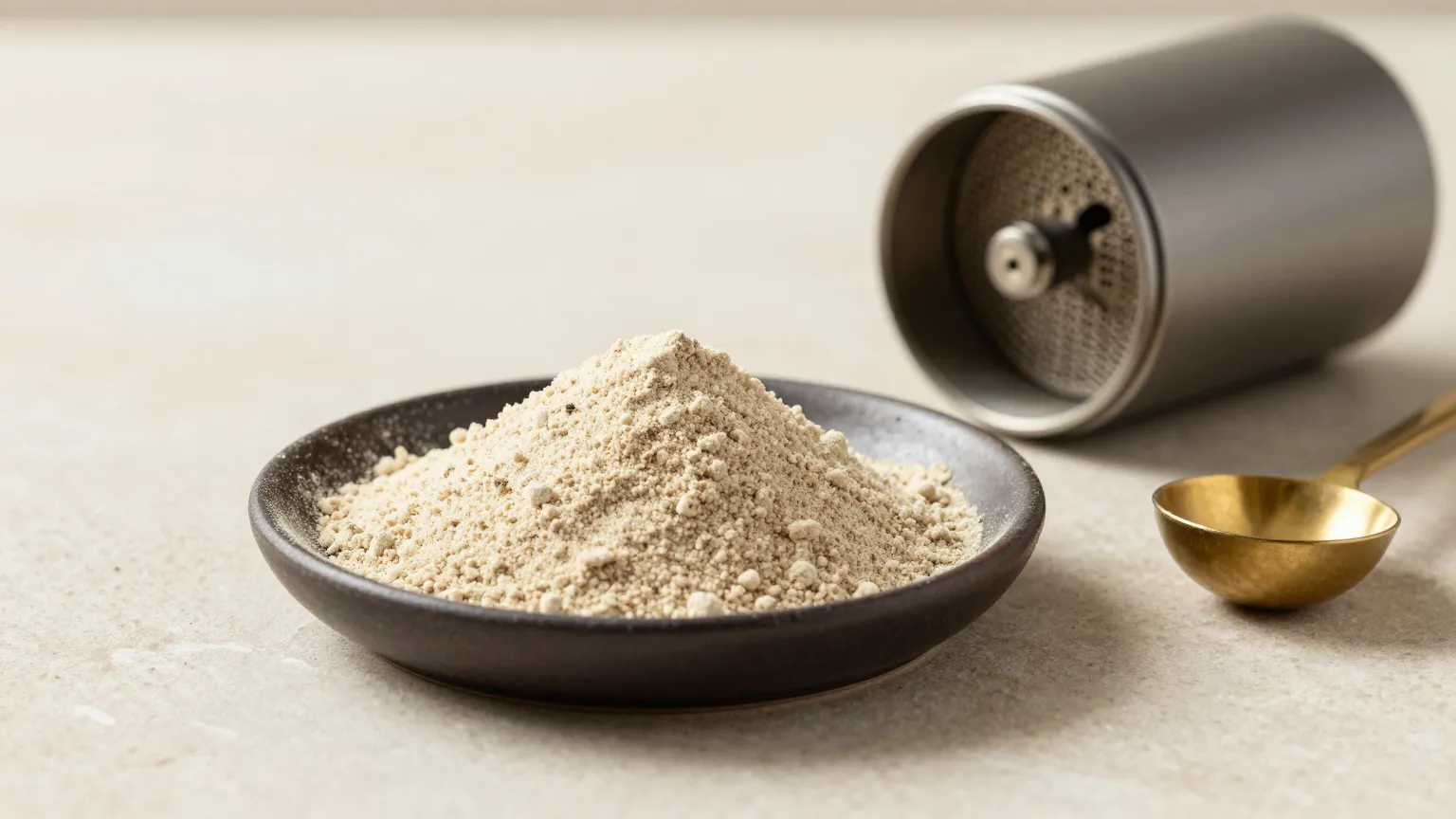
What kief actually is
Look closely at a well grown cannabis bud, ideally under a jeweler's loupe or a phone macro lens, and the surface is not smooth. It is covered in thousands of tiny stalks with bulbous heads, like a microscopic field of glass mushrooms. Those are trichomes, the resin glands the plant produces on its flowers and surrounding leaves. The heads are where most of the cannabinoids and aromatic terpene compounds live.
Kief is those heads, knocked loose from the plant and gathered together. Nothing is added, nothing is chemically extracted. It is simply the resin, separated from the leaf and stem it grew on, and it looks like a fine sandy powder somewhere between pale blond and dull green.
You will hear it called a few other things. Dry sift is the more technical name, because the material is sifted through screens while dry. Some older shops and menus label it pollen, which is a holdover term and slightly misleading, since it has nothing to do with actual plant pollen. On a lab report or a package you may also see it grouped in with concentrates, which is accurate: kief is the oldest and simplest concentrate there is.
Why it collects at the bottom of your grinder
Most people meet kief without going looking for it. Multi chamber grinders have a fine mesh screen under the teeth. When you grind flower, the brittle trichome heads snap off, fall through the mesh, and land in a small bottom chamber, usually called the kief catcher. Grind enough flower and a dusting builds up on its own.
Color is a rough quality tell. Pale, sandy, almost blond material is mostly resin heads. The greener and darker it looks, the more powdered leaf came through with it, which dilutes the aroma and adds harshness when you burn it. Commercial dry sift is run through several screen sizes to sort out that plant matter, which is why shop bought kief usually looks cleaner than what accumulates in a grinder over a month.
Texture matters too. Loose, sandy kief that moves like flour has been handled gently. If yours has compacted into a hard little disc, that is just pressure and body heat doing what a hash press does deliberately.
Kief, hash, and modern concentrates
It helps to see the whole family on one line, because kief sits at one end of it.
Kief is mechanical separation at its most basic. Agitate dry plant material against a screen, collect what falls through.
Traditional hash is kief with pressure and gentle heat applied. Squeezing the powder ruptures the glands and binds it into a pliable block that darkens as it oxidizes. Nothing new has been added, the same material has just been compacted.
Ice water hash, often called bubble hash, uses ice and water instead of dry screens to knock the heads free, then filters them through fine mesh bags. Rosin goes a step further, pressing hash or flower between heated plates to squeeze out the resin itself.
Then there are solvent based extracts like live resin and distillate, which use butane, CO2, or ethanol in a closed system and end up as sauces, badders, and cartridge oil. Those are a genuinely different production category, and we walk through them in the cannabis concentrates guide.
The short version: kief and hash are solventless and old, sometimes centuries old in places like Morocco, Lebanon, and Afghanistan. Everything with a shiny package and a terpene percentage on the front is a much more recent branch of the same tree.
How potent kief is compared with flower
Because kief is mostly resin heads with the leaf removed, it concentrates whatever the flower was carrying. Flower on a dispensary menu is typically labeled somewhere in the teens to high twenties for total THC. Sifted kief generally tests higher than the flower it came from, and pressed hash higher still, though the spread depends heavily on how clean the sift is. Grinder kief with a lot of powdered leaf in it will be noticeably weaker than a carefully screened commercial product.
Two practical consequences follow. First, a pinch of kief is not equivalent to a pinch of flower, and people commonly report that it comes on harder and faster than they expected when they treat it like ordinary bud. Second, if potency matters to you, the label is the only real answer. Anything sold in a licensed shop carries lab tested numbers, and a budtender can pull up the certificate of analysis for a specific batch. Guessing from color is not a substitute. Our guide on how to read a cannabis label covers what those numbers mean and where the fine print lives.
Kief also carries the flower's terpenes, which is why good sift smells intensely like the strain it came from. That aroma fades faster than the cannabinoids do, so old kief tends to smell flat and taste dusty even when the potency has held up.
What people actually do with it
Topping a bowl is the most common use. A sprinkle of kief over packed flower burns hot and fast, so it tends to go first and can leave the bowl running away from you if you are generous with it.
Rolling it into a joint is the next most common. A light dusting mixed through the ground flower burns more evenly than a layer sitting on top, which is the usual complaint about kief coated pre rolls: the outside runs faster than the core and the joint canoes down one side.
Pressing it is the classic move. A pollen press, or even firm pressure with a clean surface, turns loose sift into a puck of hash. Applying heat and more pressure with a rosin press instead squeezes out solventless oil.
Cooking with it is possible but it is not a shortcut. Raw kief is loaded with THCA rather than THC, so it has to be heated to convert before it does much of anything in a butter or oil infusion, and homemade infusions have no lab testing behind them and no reliable way to know the strength of the finished product.
One thing worth saying plainly: kief is not the same as shake, even though both settle at the bottom of a container. Shake is broken up flower and small leaf. Kief is the resin that came off it.
Buying kief at a dispensary
Availability varies a lot by market. Some menus carry jars of dry sift and pressed hash from solventless focused producers. Others skip loose kief entirely and sell it in product form instead, most often as kief coated or hash infused pre rolls, or as an ingredient in higher end flower products. Browsing local product menus is the fastest way to see what shops near you actually stock, since inventory in this category turns over quickly and rarely matches what a shop lists as a permanent category.
When you do find it, a few things are worth checking on the package. The lab tested cannabinoid numbers tell you what you are working with. The harvest or packaging date matters more here than with flower, because the terpenes that make good sift worth buying are the first thing to go. And the description usually indicates whether it is single strain or a mix of whatever ran through the screens that week, which is largely a question of whether you care about a specific aroma.
Legal status follows cannabis law generally, which varies by state and changes often. Several states also count concentrates against a separate purchase or possession limit from flower, measured in grams of concentrate rather than grams of bud, so kief and hash can eat into a different allowance than you might expect. Check current rules where you are shopping, ask at the counter, and never carry cannabis across state lines.
Keeping it fresh
Kief wants the same conditions as flower, only more so, because there is no plant material buffering it. Airtight container, cool, dark, away from any window. Light and heat degrade cannabinoids and drive off terpenes, and a jar sitting on a sunny shelf will lose the smell that made it worth collecting. The same principles in our guide on storing weed apply here.
Two small habits help. Use a scoop, a card, or a dedicated tool rather than fingers, since kief sticks to skin and to static charged plastic and you lose a surprising amount that way. And leave it loose unless you actually want hash, because every time you compress it in the grinder chamber you are doing a slow motion version of pressing it.
Cannabis products are for adults 21 and over, or for qualifying patients under a state medical program.