Where Can You Legally Smoke Weed?
Buying legally and consuming legally are two different questions. Public consumption is banned in nearly every legal state, and private property comes with a landlord, hotel or HOA attached. Here is how the rules generally work.
Updated August 13, 2026 8 min read
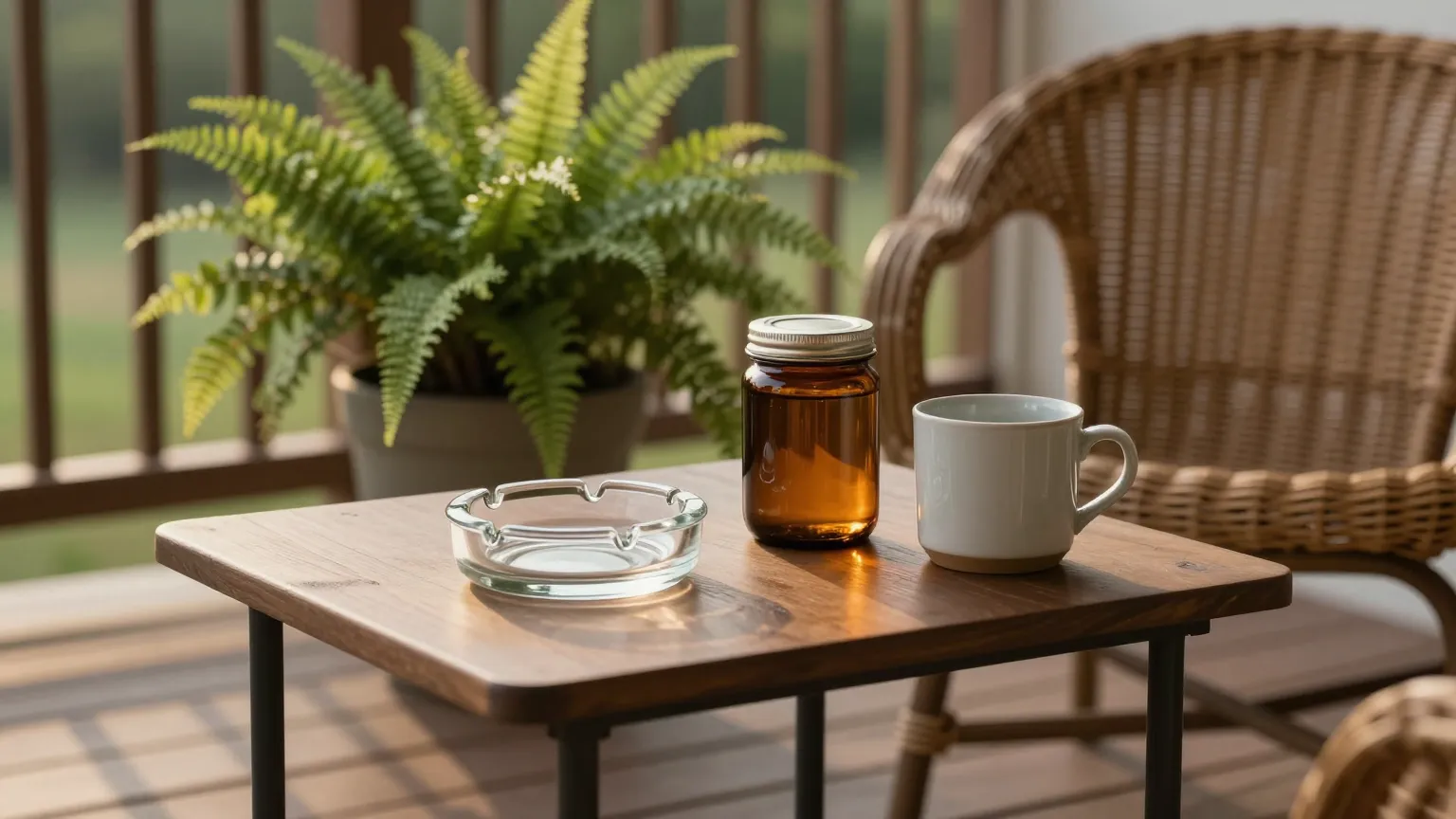
Legal to buy is not the same as legal to use anywhere. In most states with a regulated cannabis market, the sale is licensed and the consumption is tightly limited, usually to private property with the owner's permission. That gap catches a lot of people out, especially visitors who buy legally on a Friday afternoon and then realize they have nowhere they are actually allowed to smoke.
Here is how consumption rules generally work, where the common blind spots are, and what to ask before you light anything. Rules differ from state to state and often from city to city, and they change, so treat everything below as a framework rather than a ruling on your specific address.
The default rule: not in public
Nearly every state that allows adult use also bans public consumption. The wording varies, but the practical effect is similar: sidewalks, parks, beaches, sports venues, transit stops, parking lots, festival grounds and the street outside the shop are off limits. Penalties are usually a civil fine rather than an arrest, often in the range of a parking ticket to a few hundred dollars, but a citation is still a citation, and enforcement is uneven and sometimes concentrated in tourist areas.
Two things surprise people here. First, "public" is broader than it sounds. A private business open to the public, such as a bar patio, a hotel lobby or a shopping center walkway, is generally treated as public space for these rules. Second, the ban is usually about consumption of any kind, not just smoke. Many states write the rule to cover vaping and edibles too, so a discreet vape pen on a park bench is not the workaround it looks like.
The one broad exception is that some states carve out licensed venues. More on those below.
Private property, and who actually gets to say yes
The place most consumption is legal is a private residence, with the consent of whoever controls the property. That last part is the whole ballgame. Owning or renting the space is not automatically permission.
If you own your home outright and it is not governed by an association, you are usually in the clearest position. If you rent, your lease governs. Landlords in most states can prohibit smoking of any kind, and many leases already do, either through a general smoke free clause or a specific cannabis clause. A lease that bans smoking typically still allows non combusted products, but that is a question for your lease language, not a general rule.
Condo and HOA rules work the same way. Buildings can and do adopt smoke free policies that cover balconies and common areas. Federally subsidized housing is a stricter case, because federal law still treats cannabis as illegal, and public housing authorities have their own no smoking rules that apply regardless of state legality.
The practical version: in a place you do not own, assume you need permission, and assume smoke is the part people object to. Odor complaints from neighbors are the most common way a private consumption question turns into a lease problem.
Visiting a legal state? This is the hard part
Tourists can usually buy in adult use states, but the place a visitor most wants to consume, their hotel room, is often the place they cannot. Most hotels are entirely non smoking, and a cannabis smoking fee tends to look a lot like the cigarette cleaning fee, which is to say a few hundred dollars charged to the card on file. Some properties in legal markets designate smoking rooms or outdoor areas, and a growing number of listings advertise themselves as cannabis friendly, but this is a per property policy you have to confirm in advance rather than assume.
Short term rentals are the same story with an extra layer: the host sets the rules, the platform enforces its own policies, and the building or HOA may override both. If the listing does not say cannabis friendly, take that as a no.
If you are planning a trip around a legal market, it is worth reading up on how buying works for out of state visitors before you go. Our guide to whether tourists can buy at a dispensary covers ID requirements and purchase limits, which are separate questions from where you can consume.
Your car is not a private space
This is the most expensive misunderstanding in the whole subject. A vehicle is treated as a public space for consumption purposes in essentially every legal state, whether it is parked or moving, and whether you are the driver or a passenger. Many states also apply open container style rules to cannabis, meaning an opened package in the passenger compartment can itself be a violation.
Driving under the influence is a separate and much more serious matter, and it is illegal in every state, including the ones where the product was legally purchased. There is no legal threshold that makes it fine, and unlike alcohol there is no widely accepted roadside test that tells you when you are clear, which is exactly why the safe approach is to not drive at all on the day you consume until you are certain you are unimpaired.
We go deeper on transport rules, sealed packaging and trunk storage in can you drive with weed in your car.
Consumption lounges: the legal public option, where they exist
A handful of states and cities license venues where adults 21 and over can consume on site. These go by different names depending on the market, including consumption lounges, cannabis cafes, hospitality venues and social use sites. Some are attached to a licensed retailer, some are standalone, and some are limited to specific product types, for example vaporizing and edibles only, because indoor smoking rules for tobacco often apply to cannabis smoke as well.
Lounges have been slow to arrive almost everywhere, because they sit at the intersection of cannabis licensing, local zoning and indoor clean air laws. Where they do exist, the rules are usually strict: 21 and over with ID, no outside alcohol, no re selling, product often has to be purchased on site or brought in per the venue's stated policy, and staff can refuse service. Temporary event permits are another version of the same idea, allowing on site consumption at a specific festival or venue for a specific window.
If you want to know whether your market has any, the licensing authority in that state is the definitive source, and individual venues list their own house rules. Weedtip is a directory, so you can browse dispensaries by state and city and check what the shops in your area link to or mention, but always confirm venue policy with the venue.
The blind spots people forget
Federal land. National parks, national forests, military bases, federal buildings and, notably, airports and airplanes sit under federal jurisdiction, where cannabis remains illegal regardless of the surrounding state's law. A lot of scenic places you might assume are fine, including many trailheads and campgrounds, are federal.
State lines. Never carry cannabis across a state border, even between two states that both allow it. Crossing a line turns a state legal transaction into a federal matter, and it is the single easiest way to convert a legal purchase into a serious problem.
Workplaces. Employers can maintain drug free policies and drug testing, and in most states legality of the product does not by itself protect employment. Some states have added employee protections, particularly for off duty use or registered medical patients, but the protections are narrow and vary widely.
Smoke versus everything else. Many rules are written around smoking and vaping specifically because of odor and secondhand smoke, so non combusted formats can sit differently in a lease or venue policy. That is a legal and practical distinction, not an invitation to consume where you are not permitted.
A short checklist before you consume
1. Are you on private property? If not, assume no.
2. If it is private, does the person who controls it, meaning owner, landlord, host, HOA or venue, permit it? Ask rather than assume.
3. Is smoke specifically banned even where cannabis is not? A smoke free lease or hotel usually means no combustion of anything.
4. Is any part of this happening in or around a vehicle? Then wait until you are somewhere else.
5. Is the land federal? Then the answer is no, whatever the state says.
6. Are you 21 or over, or a registered patient where a state medical program applies? Every part of this assumes yes.
The honest summary is that legal purchase and legal consumption were written as two different regulatory questions, and consumption is the more restrictive one nearly everywhere. If you are new to a market, the fastest way to get a reliable answer is to ask the budtender where you bought, because shops in a given city field this question constantly and know the local ordinances. A first dispensary visit is a good moment to ask.
Laws in this area move quickly, including local ordinances that can differ from the state rule a few miles away. Check your state and city regulator for the current rules before you rely on any of this.